The Science of Crumb: Biochemistry in Automated Baking
Update on Jan. 13, 2026, 3:38 p.m.
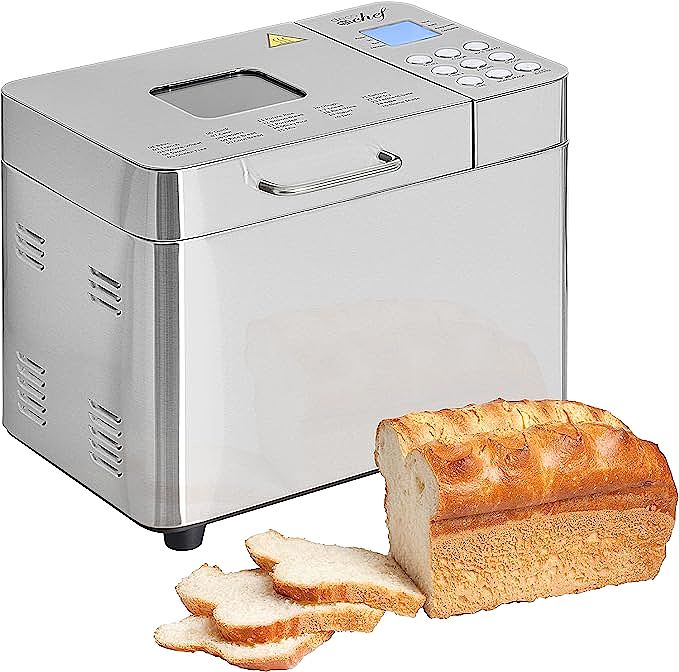
The creation of bread is often romanticized as an artisanal craft, a tactile dialogue between the baker and the dough. However, at its fundamental level, baking is a rigorous exercise in chemistry and biology. The transition from flour and water to a structured, aerated loaf involves a complex series of reactions that require precise environmental controls. While traditional methods rely on intuition, modern technology attempts to standardize these variables. Devices like the Panasonic Home Bakery SD-MB1-W serve as excellent case studies in how engineering can replicate, and sometimes optimize, these biological processes.
The Biology of Leavening: Yeast Viability
The heart of any loaf is the fermentation process, driven by the microscopic fungus Saccharomyces cerevisiae, or baker’s yeast. This organism consumes sugars and excretes carbon dioxide and ethanol, which aerate the dough. However, yeast is remarkably fragile.
One of the critical challenges in automated baking is the management of osmotic pressure. When yeast comes into direct contact with salt or concentrated sugar before hydration is complete, the difference in osmotic pressure can draw water out of the yeast cells, effectively killing them or severely retarding their activity.
According to 2021 research by the Journal of Food Engineering, optimizing the timing of yeast addition can increase gas production rates by up to 15% compared to simultaneous mixing. This scientific principle explains the engineering choice found in advanced units like the Panasonic SD-MB1-W, which utilizes a dedicated automatic yeast dispenser. By physically sequestering the yeast until the dough has reached the correct hydration and temperature levels, the machine prevents osmotic shock, ensuring a vigorous and consistent rise every time.

Engineering the Gluten Scaffold
If yeast provides the air, gluten provides the balloon. Gluten is not a single substance but a composite of two proteins found in wheat: gliadin and glutenin. When hydrated and subjected to mechanical energy (kneading), these proteins uncoil and cross-link to form a viscoelastic network.
The Mechanics of Kneading
Automated machines essentially run algorithmic programs designed to maximize this cross-linking without breaking the molecular bonds (over-kneading). * Hydration Phase: Gentle mixing allows water to penetrate starch granules. * Development Phase: Intense mechanical shear aligns the protein strands. * Rest Phase: Allows the gluten structure to relax, preventing tearing during the rise.
The difference in kneading patterns—such as the specific intervals used for “Soft Bread” versus “French Bread” modes—reflects the machine’s programming adjusting shear stress to suit different flour protein contents. A robust motor, like the 370-watt unit in high-end domestic models, is necessary to maintain consistent torque through the dense, resistive phase of gluten formation.
Thermodynamics and the Maillard Reaction
The final transformation occurs during the bake cycle. As the internal temperature rises, several events trigger in sequence. At around 60°C (140°F), starch gelatinization begins; granules absorb water and swell, setting the crumb structure. At 70°C (158°F), the yeast dies, ending fermentation.
However, the most critical flavor-producing event happens on the crust surface: the Maillard reaction. This non-enzymatic browning reaction between amino acids and reducing sugars creates hundreds of flavor compounds, giving the crust its characteristic roasted taste and golden color.
According to a 2020 study by the Department of Food Science at the University of Massachusetts, precise temperature ramping is crucial for achieving an even Maillard reaction without burning. Automated bakers utilize thermal sensors to monitor the baking chamber, adjusting the heating elements to ensure the crust develops its complex flavor profile exactly as the internal crumb finishes gelatinizing.
Conclusion: The Laboratory on the Counter
Understanding the science behind bread making reveals that consistent results are rarely accidents. They are the product of controlling variables: protecting yeast viability, managing protein alignment, and regulating thermodynamic reactions. While the romance of hand-baking remains, the precision of engineering—exemplified by features like separate yeast dispensing and algorithmic kneading—demonstrates a profound respect for the biochemistry of food.
Whether you are measuring ingredients by hand or pressing a button on a Panasonic interface, the underlying science remains the universal language of good bread.